
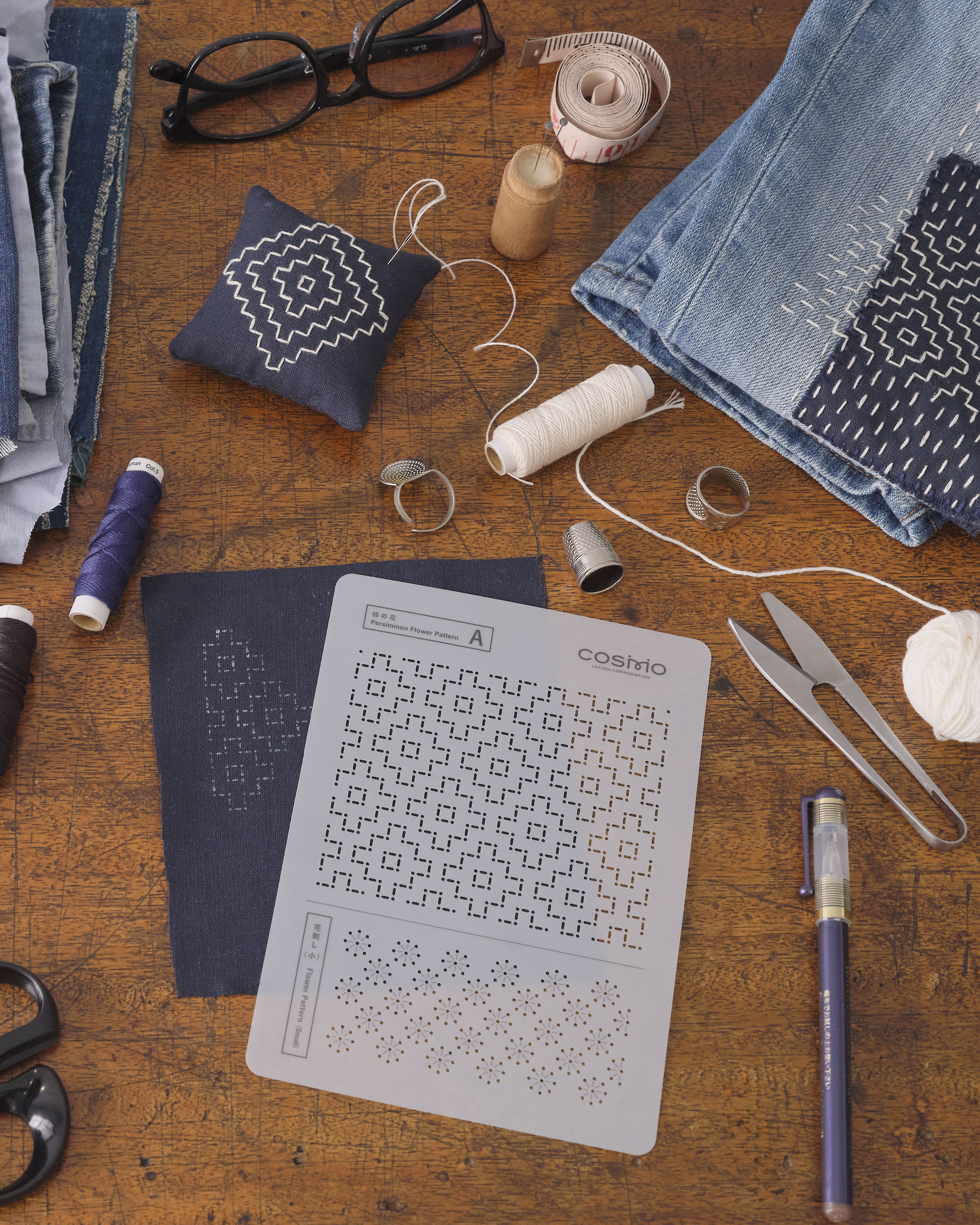
Discover Japan's Timeless Art of Stitching
Sashiko (刺し子) is a traditional Japanese stitching technique that began as a practical way to reinforce and repair clothing before evolving into one of Japan's most admired textile arts.
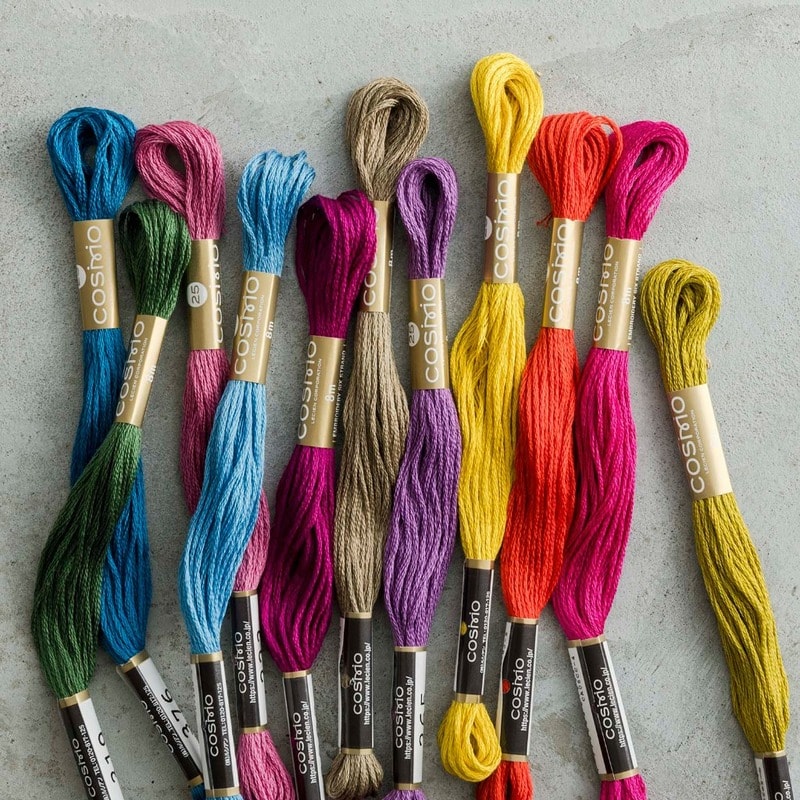
Using a long sashiko needle, softly twisted 100% cotton thread, and simple running stitches, makers create striking geometric patterns that combine beauty, durability, and mindfulness.
Today, sashiko is practiced around the world—not only as a traditional craft, but also as a modern form of visible mending, quilting, and slow stitching.
Why Is Sashiko Different from Embroidery?
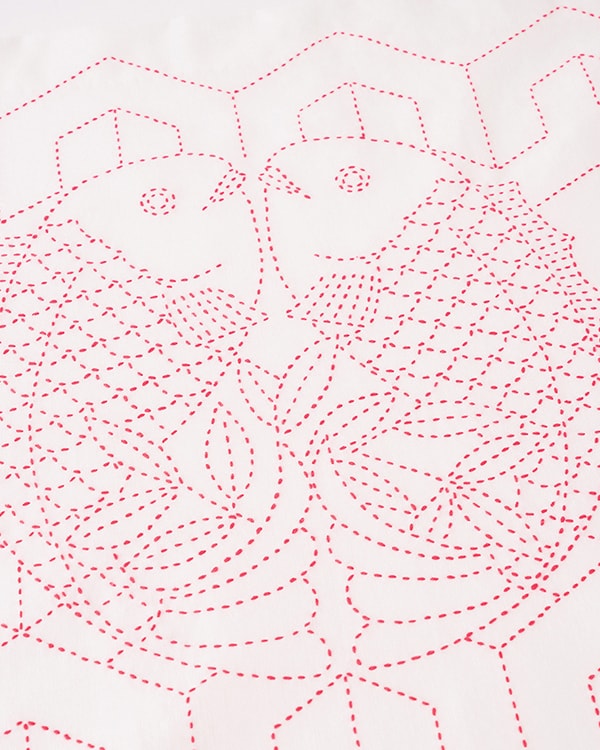
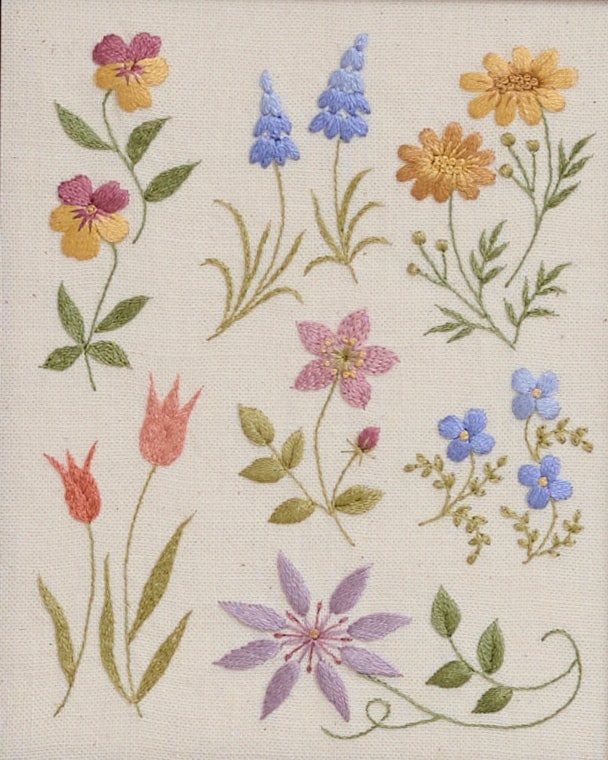
Although both use needle and thread, sashiko and embroidery developed with different purposes.
| Sashiko | Embroidery |
|---|---|
| Originated in Japan | Practiced around the world |
| Running stitch | Many decorative stitches |
| Originally used to reinforce and repair clothing | Primarily decorative |
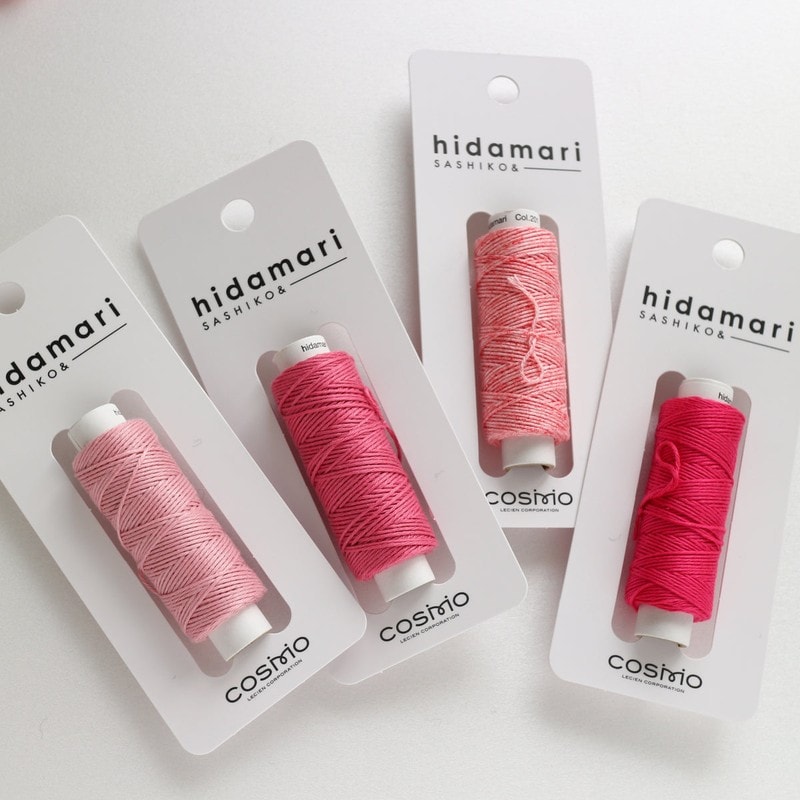
| Thick, softly twisted matte cotton thread | Embroidery floss or silk |
| Geometric patterns | Floral, pictorial, and decorative designs |
Unlike embroidery, sashiko celebrates the beauty of simplicity. Every stitch follows the rhythm of the fabric, creating beauty through repetition rather than filling shapes with color.
A Craft Born from Necessity
Sashiko developed during the Edo period (1603–1868) and spread throughout Japan. Some of its best-known regional traditions emerged in the cold northern regions, where durable, insulated clothing was essential.
Cotton became widely available to ordinary people only during the Edo period, and in northern Japan it remained scarce because of the climate. Families layered hemp fabrics, added pieces of cotton where available, and reinforced them with rows of running stitches to create garments that were warmer, stronger, and longer lasting.
Over generations, these practical stitches evolved into beautiful geometric patterns, transforming everyday clothing into works of craftsmanship.
1603–1868
Edo Period
Regional Development
Modern Revival
Worldwide Popularity
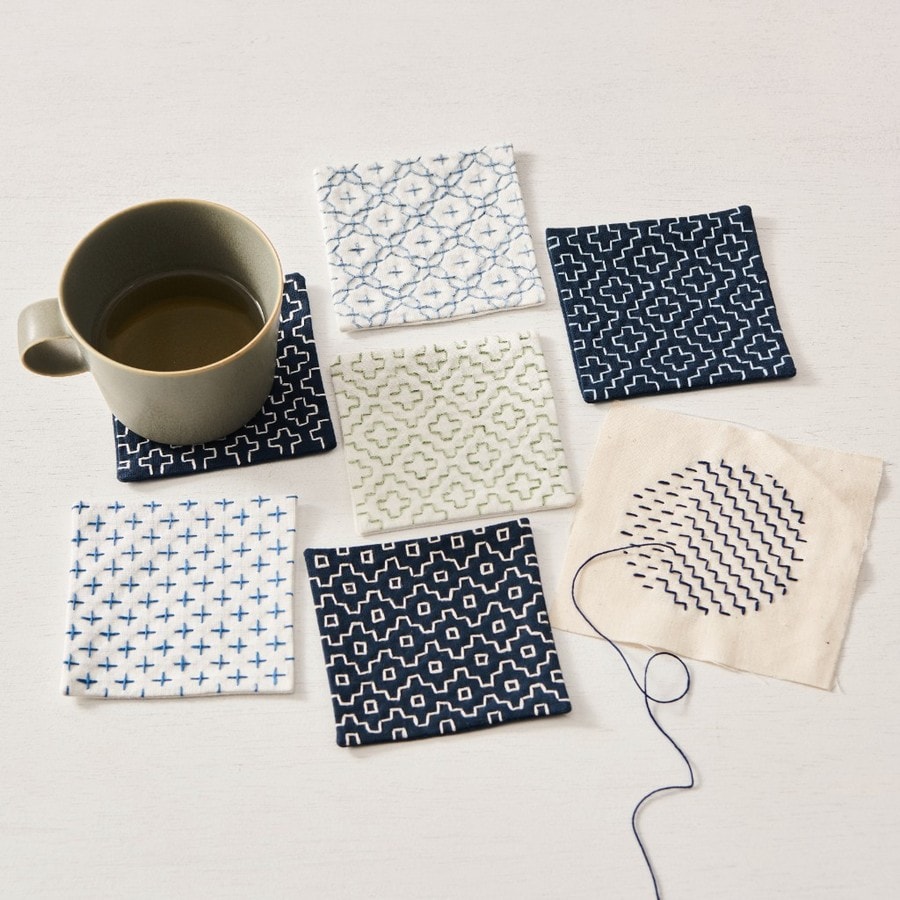
Classic Sashiko Patterns
From simple grids to interlocking geometry, repeating motifs give sashiko its rhythm. Look for these classics as you explore the craft.
More Than Mending
Sashiko reflects a unique combination of Japanese history, climate, and craftsmanship.
Rather than simply repairing worn clothing, each stitch added both strength and beauty. This philosophy—finding beauty in useful objects—helped transform practical reinforcement into a respected textile art.
Even Edo-period firefighters wore heavily stitched cotton coats that could be soaked with water before fighting fires, helping protect them from heat and sparks.
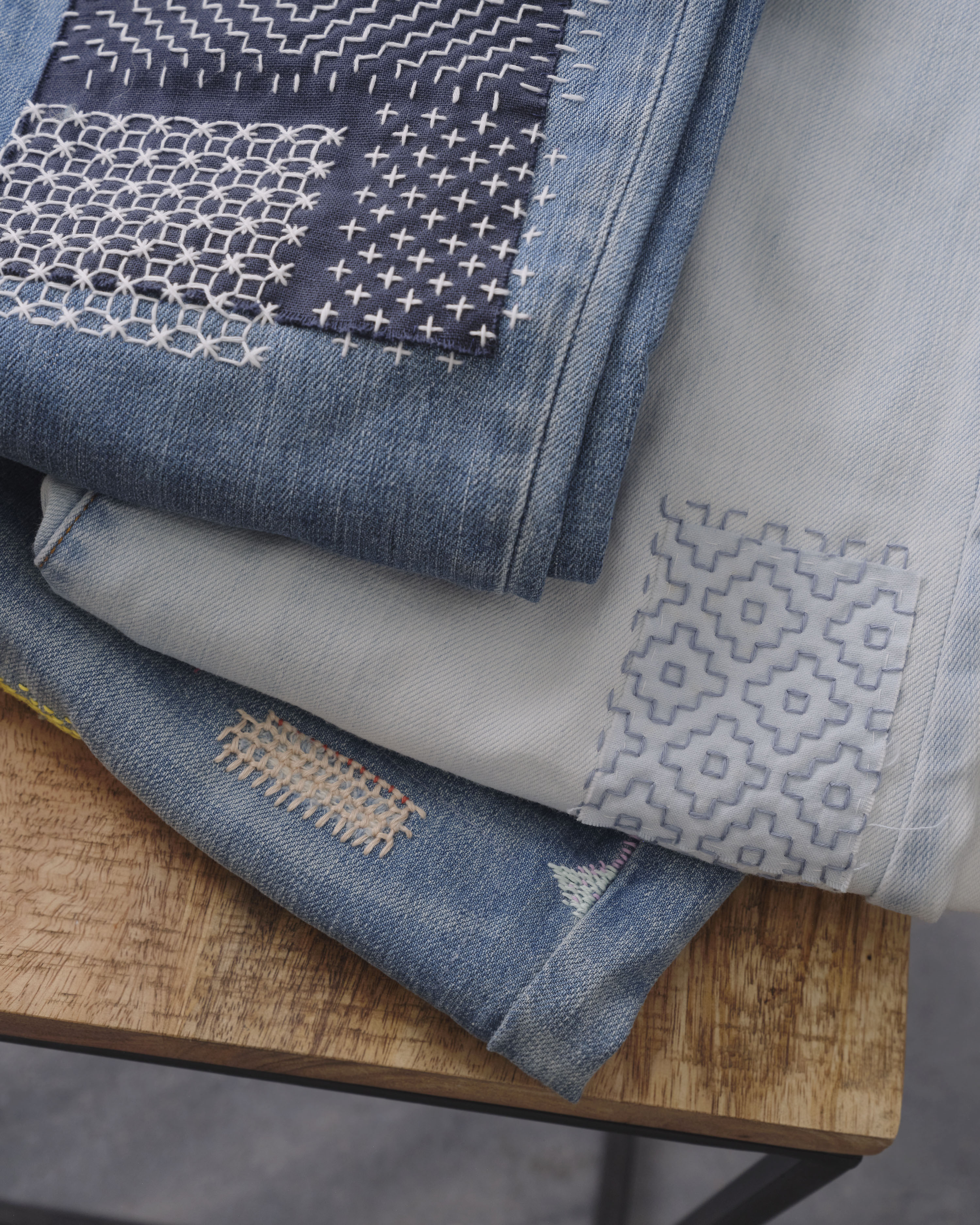
Today, sashiko appears on clothing, quilts, bags, home décor, and contemporary textile art while remaining deeply connected to its traditional roots.
Why the World Loves Sashiko
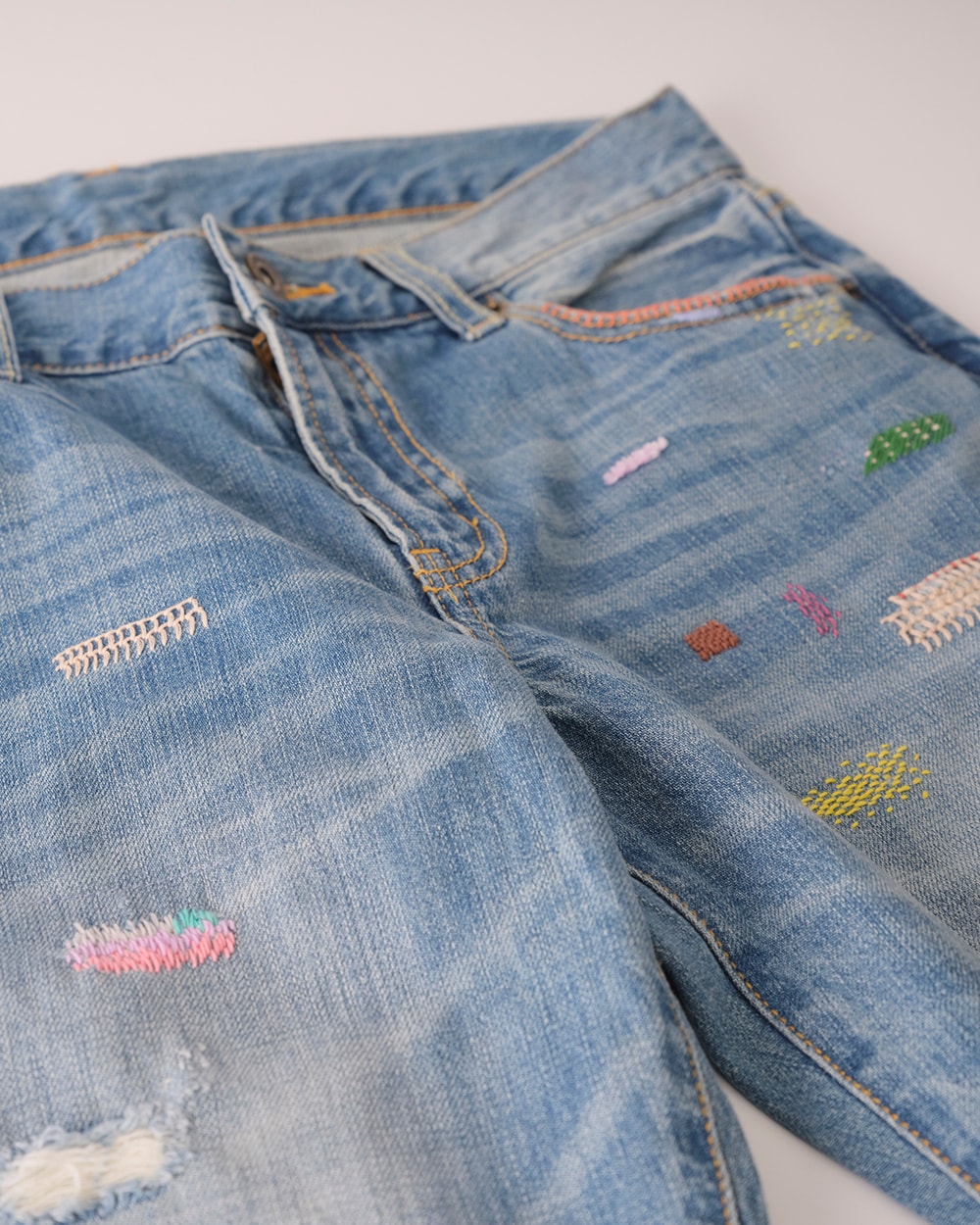
Today, sashiko is practiced by textile artists, quilters, embroiderers, and visible menders around the world.
Its philosophy naturally aligns with sustainability, slow fashion, and mindful making. Rather than hiding signs of wear, sashiko celebrates repair as part of an object's story.
From denim jackets and quilts to contemporary home textiles, sashiko demonstrates that repairing something can make it even more beautiful than before.
Start Your Sashiko Journey
Beginning sashiko requires only a few simple tools
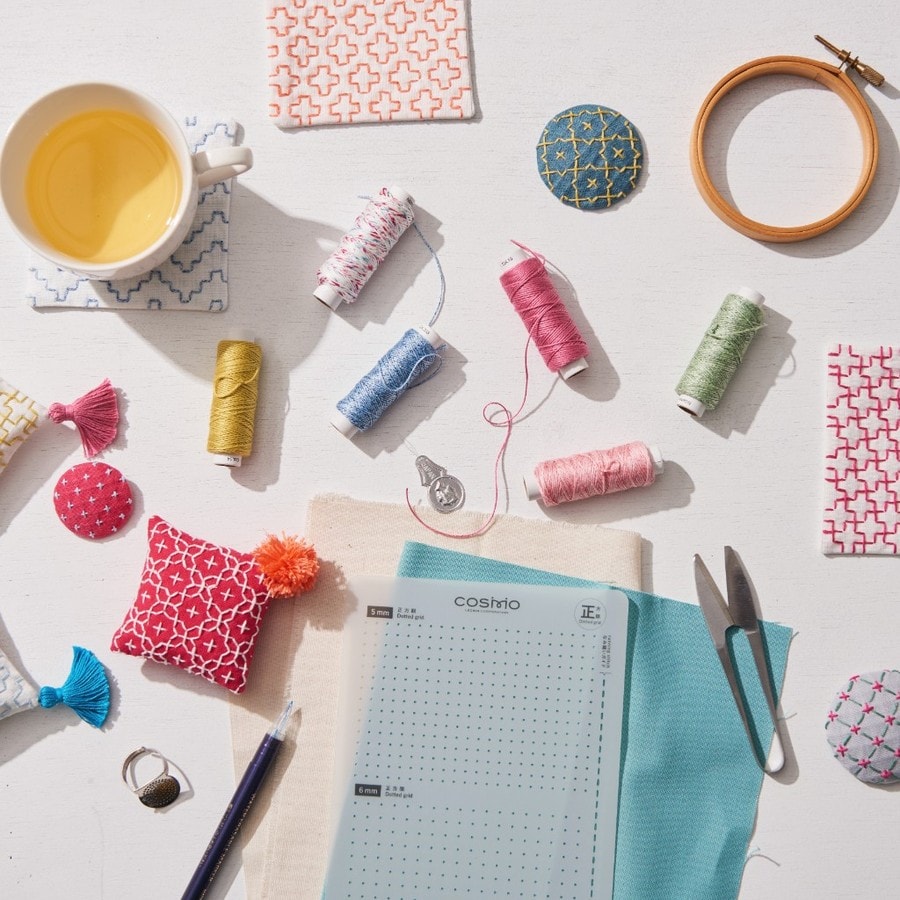
Whether you're discovering sashiko for the first time or continuing a lifelong passion, every stitch connects you to centuries of Japanese craftsmanship.
- A sashiko needle
- Sashiko thread
- Cotton fabric
- A simple geometric pattern